What Are Signs Of Prostate Cancer In Dogs / Cancer In Dogs Dog Health The Kennel Club : However, some cancers add a fifth.. The veterinarian will complete a thorough physical examination, including rectal palpation, to check for signs of an enlarged or abnormally shaped prostate. There are actually different kinds of bladder cancer that dogs can have; Since we can't ask our dogs how they are feeling each day, it's important to understand the signs of a sick dog. Unfortunately, one of the most common initial signs of hemangiosarcoma involves sudden collapse due to massive internal bleeding, usually from a ruptured spleen. Generally speaking, the clinical signs of prostate cancer include:
This typically occurs in neutered, not intact, male dogs. Unfortunately, one of the most common initial signs of hemangiosarcoma involves sudden collapse due to massive internal bleeding, usually from a ruptured spleen. Stage iv and stage v cancer. Prostate cancer is the other main cause of enlarged prostate in dogs, and it is relatively rare, making up less than ten percent of enlarged prostate cases. It can be either an adenocarcinoma or a transitional carcinoma that spreads from the bladder.
5 Causes And Signs Of Prostate Problems In Dogs And How To Fix Them from i1.wp.com This typically occurs in neutered, not intact, male dogs. Tumors of the prostate are almost always malignant. There are actually different kinds of bladder cancer that dogs can have; Bph is not an infection or cancer, but it can cause very troublesome symptoms. Others may strain to defecate if their prostate is severely enlarged and presses on their colon. Due to the enlargement of the prostate gland, it may push itself up against the wall of the urethra. Animals with prostatic neoplasia tend to be systemically ill, and have a history of weight loss. According to an article published by the north carolina state university college of veterinary medicine, half of all dogs over 10 years of age will develop some form of cancer, and 25 percent of dogs will die from it.
Symptoms of prostate cancer in dogs canine prostate cancer has various signs and symptoms and can resemble those of an enlarged prostate.
Stages are marked by the growth and expansion of abnormal cells throughout the dog's body. Others may strain to defecate if their prostate is severely enlarged and presses on their colon. According to an article published by the north carolina state university college of veterinary medicine, half of all dogs over 10 years of age will develop some form of cancer, and 25 percent of dogs will die from it. Inability to urinate and defecate properly is often accompanied by severe pain, restlessness and great discomfort. Since we can't ask our dogs how they are feeling each day, it's important to understand the signs of a sick dog. The prostatic enlargement may obstruct the dog's urethra, which can lead to straining during urination. However, when you hear of bladder cancer in dogs, it most likely refers to transitional cell carcinoma (tcc). As the dog's prostate enlargement progresses the prostate pushes itself against the urethra's wall. Prostate cancer (prostate carcinoma or pca) is not common in dogs and is usually diagnosed during the later stages of the disease after it has started to spread. What are the signs of prostate cancer in dogs? Symptoms of prostate cancer in due to the location of the prostate in dogs, it can often interfere with surrounding systems. Dogs over 8 years are prone to develop prostate cancer. The pain may be significant in pets that have evidence of metastasis (spread) to the bones of the lower back and pelvis.
There are actually different kinds of bladder cancer that dogs can have; However, bloody urine is not specific for prostatic disease as this is a sign for other diseases affecting the urinary system. Other signs may include lethargy, exercise intolerance, reduced appetite, weight loss, and pain (especially along the back or abdomen). According to an article published by the north carolina state university college of veterinary medicine, half of all dogs over 10 years of age will develop some form of cancer, and 25 percent of dogs will die from it. Unfortunately, one of the most common initial signs of hemangiosarcoma involves sudden collapse due to massive internal bleeding, usually from a ruptured spleen.
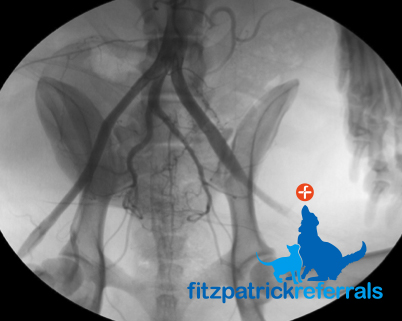
Prostate Cancer Fitzpatrick Referrals from www.fitzpatrickreferrals.co.uk Inability to urinate and defecate properly is often accompanied by severe pain, restlessness and great discomfort. Abnormal posture (especially while urinating) abnormal gait with short steps. In contrast, cancer grades mark the aggressiveness of those cells, the speed at which they grow. Due to the enlargement of the prostate gland, it may push itself up against the wall of the urethra. There are actually different kinds of bladder cancer that dogs can have; Upon rectal palpation, the prostatic gland may be enlarged, nodular, asymmetric, firm, nonmovable, and/or painful. Symptoms of prostate cancer in dogs canine prostate cancer has various signs and symptoms and can resemble those of an enlarged prostate. Generally speaking, the clinical signs of prostate cancer include:
The pain may be significant in pets that have evidence of metastasis (spread) to the bones of the lower back and pelvis.
When the prostate gland becomes enlarged it presses against the wall of the urethra (the tube which connects the bladder to the outside of the dog), making it very difficult for your dog to urinate. Clinical signs of prostatic cancer in dogs are variable and can be attributed to local or distant disease progression. Unfortunately, one of the most common initial signs of hemangiosarcoma involves sudden collapse due to massive internal bleeding, usually from a ruptured spleen. A dog with prostatic enlargement often has a history of straining to urinate or defecate. in addition, some dogs with prostatic disease will have blood in the urine; Some dogs with bph don't show any clinical signs. The veterinarian will complete a thorough physical examination, including rectal palpation, to check for signs of an enlarged or abnormally shaped prostate. Drastic decline in their appetite or no interest in eating at all Tcc is basically a cancer of the inner lining of the bladder. General pain, overall debilitation and weakness, decreased appetite and weight loss. However, when you hear of bladder cancer in dogs, it most likely refers to transitional cell carcinoma (tcc). Prostate cancer is the other main cause of enlarged prostate in dogs, and it is relatively rare, making up less than ten percent of enlarged prostate cases. This typically occurs in neutered, not intact, male dogs. Be aware that prostate enlargement due to male hormones has similar signs.
Fibrosarcomas and leiomyosarcomas are just some of them. Lameness in the hind legs. Unfortunately, one of the most common initial signs of hemangiosarcoma involves sudden collapse due to massive internal bleeding, usually from a ruptured spleen. The most common prostate problem in dogs is a condition called benign prostatic hyperplasia (bph). Symptoms of prostate cancer (adenocarcinoma) in dogs.
What Are The Signs Of Prostate Cancer In A Dog Symptoms Of Prostate Cancer In Dogs What Is Prostate Cancer Adenocarcinoma from i1.wp.com It can be either an adenocarcinoma or a transitional carcinoma that spreads from the bladder. Unfortunately, one of the most common initial signs of hemangiosarcoma involves sudden collapse due to massive internal bleeding, usually from a ruptured spleen. Stage iv and stage v cancer. Symptoms of prostate cancer (adenocarcinoma) in dogs. There are many different types, such as lymphoma, melanoma, and prostate cancer, and the illness can occur all over the body. Dysuria is common, and macroscopic hematuria may be evident. The prostatic enlargement may obstruct the dog's urethra, which can lead to straining during urination. The glandular tissue of the prostate grows in size with age and puts pressure on surrounding areas (e.g.
Unfortunately, one of the most common initial signs of hemangiosarcoma involves sudden collapse due to massive internal bleeding, usually from a ruptured spleen.
Lameness in the hind legs. Usually the condition is seen in older dogs at an average 10 years of age. Most canine cancers are marked by four stages; Drastic decline in their appetite or no interest in eating at all Abnormal posture (especially while urinating) abnormal gait with short steps. The most common prostate problem in dogs is a condition called benign prostatic hyperplasia (bph). Upon rectal palpation, the prostatic gland may be enlarged, nodular, asymmetric, firm, nonmovable, and/or painful. Other signs may include lethargy, exercise intolerance, reduced appetite, weight loss, and pain (especially along the back or abdomen). Here are some symptoms of prostate tumors in dogs to look for: However, some cancers add a fifth. Watch out for these symptoms if you have a male dog, especially an older dog: There are many different types, such as lymphoma, melanoma, and prostate cancer, and the illness can occur all over the body. Bph is not an infection or cancer, but it can cause very troublesome symptoms.